Natural vs Synthetic Supplements: What’s the Difference?
In recent years, more people have begun to question not just what they are taking, but how it is made.
At the same time, certain supplements have surged into the mainstream in a way we haven’t seen before.
Compounds like creatine monohydrate, once mostly associated with niche performance communities, are now regularly discussed across podcasts, social media, and even mainstream news.
Yet while awareness has grown, the conversation often centres around what a supplement does, rather than where it comes from or how it is produced.
In the case of creatine, many people are surprised to learn that it is typically produced through a synthetic manufacturing process, and that the body is also capable of producing creatine naturally through its own internal pathways.
This isn’t necessarily a problem in itself, but it does highlight something deeper.
As supplements become more widely used, there is a growing opportunity to look beyond outcomes and begin to ask more fundamental questions about the nature of what we are taking.
The conversation has gradually shifted from simply looking at nutrient labels, to looking deeper into the origin and character of the ingredients themselves.
This is where the distinction between natural and synthetic supplements begins to matter.
What Are Synthetic Supplements?
Synthetic supplements are typically made by isolating or replicating specific nutrients in a laboratory environment.
This doesn’t necessarily make them problematic, but it does shape the way they exist and are experienced.
In many cases, they are:
- highly refined
- standardised to a single compound
- separated from the broader context in which they naturally occur
This approach allows for precision and consistency, which is one of the reasons synthetic supplements have become so widely used.
It also reflects a particular way of thinking - one that focuses on isolating individual elements and delivering them in a targeted form.
What Are Natural or Wholefood Supplements?
Wholefood based supplements, such as herbal tonics and wholefood capsules, take a different approach..
Rather than isolating a single compound, they are typically made from:
- herbs
- roots
- minerals
- or animal based wholefood sources
These ingredients are prepared in ways that aim to preserve more of their original character.
Instead of extracting one specific element, the intention is to offer something closer to the source itself.
This can include a broader range of naturally occurring compounds, rather than focusing on just one.
A Difference in Approach
At its core, the difference between natural and synthetic supplements is not simply about ingredients, but about orientation.
One approach tends to focus on:
👉 delivering a specific, isolated input
The other leans toward:
👉 offering a more complete, wholefood based input
Neither approach needs to be framed as inherently right or wrong.
For many people, the value lies in understanding the difference and choosing what feels most aligned with their own preferences and way of living.
Why More People Are Exploring Wholefood Options
There has been a growing interest in wholefood based products in recent years.
For some, this reflects a broader shift toward simplicity.
For others, it’s about reconnecting with more traditional ways of preparing and using food and herbs.
Some of the reasons people are drawn to this approach include:
- a preference for less processed ingredients
- an interest in ingredient transparency
- a desire to stay closer to the original source
- curiosity about traditional methods of preparation
For many, it is less about rejecting modern approaches, and more about exploring alternatives that feel more grounded.
For those looking for a simple place to begin, some people choose to explore structured options such as iron focused bundles that bring multiple products together.
A More Grounded Way to Approach Supplementation
Rather than viewing supplements as something to rely on in isolation, more people are beginning to see them as part of a wider rhythm.
This often includes:
- consistency over time
- attention to daily habits
- a more patient, long-term perspective
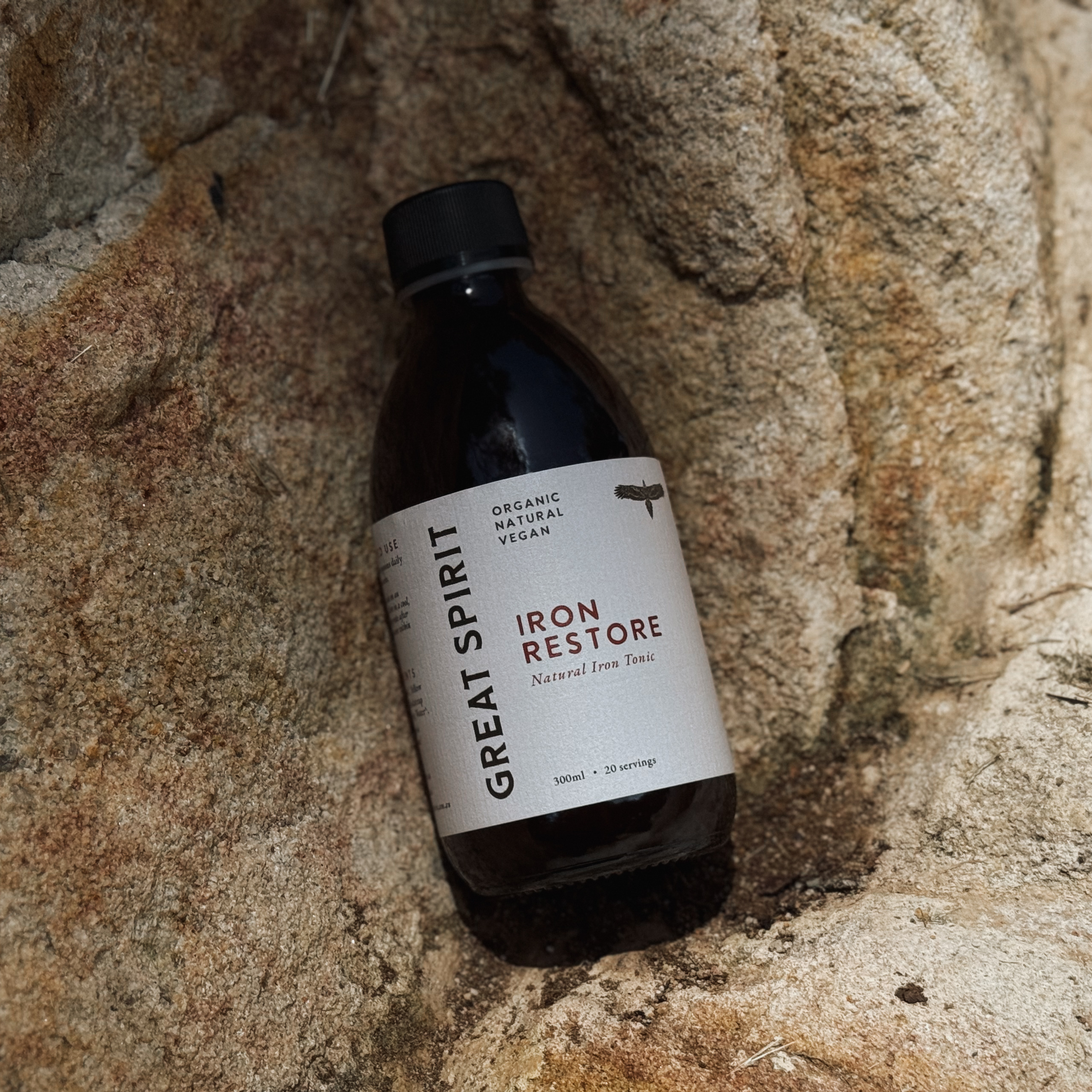
In this context, wholefood based supplements such as our Iron Restore tonic are often approached as something that can sit alongside a broader way of living, rather than acting as a standalone solution.
Final Thoughts
There is no single approach that works for everyone.
What matters most is having enough awareness to make informed choices.
As interest in supplementation continues to grow, so too does the opportunity to look a little deeper - not just at what something contains, but at how it is made, and how it fits into your life.
For those drawn to simplicity, tradition, and wholefood based inputs, natural supplements offer a pathway that feels a little closer to the source.
A Gentle Place to Explore
If you’re exploring a more wholefood based approach, you can view our range of herbal tonics and supplements here.